Propertly

Your property,
run properly.

Propertly is a premium home operations membership. We learn your home, maintain its systems, coordinate every vendor, and oversee every repair — so the only call you ever need to make is to us.

Beautiful Texas hill country home

Peaceful. Protected. Propertly.

Most people insure their home, then forget about it. Insurance companies are counting on that.
You track your portfolio daily. You haven't checked your water heater in 3 years.
Skipping routine maintenance feels like saving money. It's how a $200 fix becomes a $12,000 repair.
The list of things your home needs never gets shorter. It just moves from your to-do list to your 3am thoughts.
You hired an expert to do your taxes. Your home is a bigger asset than your portfolio.

How We Serve Your Home

It runs.
You relax.

A missed filter. A slow leak. A vendor who never followed up and got dropped off the to-do list. These aren't small oversights — they're the paper trail insurers use to deny claims, the quiet failures that shorten the life of expensive systems, and the emergencies that always seem to happen at the worst possible time (water heater leak on Christmas Eve, anyone?).

HVAC, plumbing, electrical, appliances — every major system in your home has a lifespan, a maintenance schedule, and a failure mode. Most homeowners discover all three at the same time.

Propertly exists to change all of that.

Propertly tracks every system, anticipates every need, and handles all routine maintenance before small issues become expensive ones.

And when something does go wrong — because sometimes it does — we coordinate licensed specialists from our vetted network, oversee the work from start to finish, and stay on it until it's done. You make one call. We handle everything else.

In Texas, nearly half of all homeowners insurance claims are closed without payment — and deferred maintenance is the most common reason insurers cite for denial. The documentation Propertly maintains isn't just peace of mind. It's a record of stewardship that protects your position when it matters most.

~400K
Homeowners insurance claims filed in Texas each year
~47%
Of TX claims closed without payment in 2024
Source: Weiss Ratings, via Houston Chronicle
#1
Reason for denial: deferred maintenance
0
Gaps in your maintenance record

Built by a licensed public adjuster with 20+ years in construction—and a homeowner who spent 20 years dreading every maintenance call—Propertly was born from a simple idea: home ownership should be easier than it is.

Protect your home. Extend system life. Strengthen your claim position.

What we do,
and why it matters.

Q1 · January – March

Winter
Protection

HVAC & Air Quality +
Replace/inspect air filters
Clogged filters force your system to work harder, accelerating wear and raising energy bills — and a documented replacement schedule is one of the strongest defenses against an HVAC-related insurance denial.
Clear vents and returns
Blocked vents create pressure imbalances that strain ductwork and reduce air quality — a common cause of premature system failure.
Check thermostat operation
A miscalibrated thermostat can run your system unnecessarily, adding hundreds to annual energy costs and shortening equipment life.
Lightly rinse outdoor condenser
Debris buildup on the condenser coil reduces efficiency by up to 30% — a simple rinse protects one of your home's most expensive systems.
Plumbing Basics +
Inspect under sinks for leaks/moisture
Slow leaks behind cabinet doors are responsible for some of the most expensive water damage claims — and among the most frequently denied, because the damage is deemed gradual and preventable.
Check toilet bases & supply lines
A hairline crack in a supply line can release hundreds of gallons before anyone notices — catching it early costs nothing; catching it late costs everything.
Turn main shut-off valve on/off
A main shut-off valve that seizes when you need it most turns any plumbing emergency into a catastrophe — exercising it quarterly keeps it operational.
Fix dripping faucets or shower heads
A single dripping faucet wastes over 3,000 gallons per year and quietly erodes fixtures, seals, and surrounding materials.
Electrical & Safety +
Test smoke & CO detectors
Non-functioning detectors are a life-safety issue and a liability exposure — most require testing monthly, but quarterly documentation creates a verifiable record.
Test GFCI outlets
GFCI outlets in kitchens, bathrooms, and exterior locations protect against electrocution — a failed GFCI is both dangerous and a code violation.
Check breaker panel for tripped breakers
Repeatedly tripped breakers signal an overloaded circuit — ignoring the pattern risks electrical fires, the most destructive and hardest-to-insure home event.
Replace failing or flickering bulbs
Flickering lights can indicate loose wiring or a failing fixture — addressing it early prevents both fire risk and the need for costly electrical diagnostics later.
Water Heater +
Check for rust or moisture at base
Rust or pooling water at the base of a water heater is often the first sign of a failing tank — catching it before rupture prevents thousands in water damage.
Test pressure relief valve
A seized pressure relief valve can cause a water heater to rupture explosively — testing it quarterly is one of the highest-stakes checks in this entire list.
Listen for sediment noise
Popping or rumbling sounds indicate sediment buildup that reduces efficiency and accelerates tank corrosion — a warning sign that annual flushing is overdue.

Q2 · April – June

Spring
Readiness

Exterior & Drainage +
Clean/inspect gutters & downspouts
Clogged gutters are the leading cause of foundation water intrusion and roof damage — and two of the most expensive repairs a homeowner will ever face.
Ensure water drains away from foundation
Water pooling against your foundation causes settling, cracking, and eventual structural failure — proper grading is far cheaper than the repairs it prevents.
Walk exterior for cracks or entry points
Small cracks in stucco, brick, or siding allow moisture and pests to enter — a spring walkthrough catches what winter weather quietly opened up.
Visual roof check
Missing or damaged shingles after winter storms are the most common source of denied claims — documented, proactive inspection creates a defensible record.
Interior Condition +
Check ceilings/walls for stains
A water stain on a ceiling is rarely just cosmetic — it's a signal of an active or past leak, and early detection is the difference between a simple repair and structural damage.
Inspect baseboards for swelling
Swollen baseboards indicate moisture intrusion at the floor level — often from a slow plumbing leak or groundwater seepage that's been building for weeks.
Open cabinets — look for mold/mildew smell
Mold remediation is expensive, disruptive, and potentially a health hazard — catching the smell before visible growth appears can reduce the scope of intervention dramatically.
Check windows for seal failure/condensation
Condensation between window panes signals a broken seal — allowing moisture infiltration that damages frames, walls, and contributes to mold growth over time.
HVAC & Air Quality +
Replace/inspect air filters
Spring pollen loads air filters faster than any other season — a clean filter before summer cooling season begins protects both air quality and system efficiency.
Clear vents and returns
Spring cleaning often displaces furniture over vents — a quick walk-through confirms airflow is unobstructed before the cooling season begins.
Lightly rinse outdoor condenser
Winter debris and spring cottonwood accumulate on condenser coils — clearing them before summer demand peaks protects your system at its most critical moment.
Reverse Osmosis (RO) +
Check flow and pressure
Reduced flow is the first sign of a saturated membrane or clogged pre-filter — catching it early prevents complete system failure and contamination of drinking water.
Inspect lines for leaks
RO systems sit under sinks in enclosed spaces — small line leaks go undetected for months, creating exactly the kind of sustained moisture damage insurers cite for denial.
Replace filters every 6–12 months
Expired filters allow contaminants to pass through and can damage the membrane — the most expensive component of an RO system to replace.
Monitor taste/odor changes
A change in water taste or smell is often the earliest signal that filtration is failing — addressing it immediately is far less costly than replacing a membrane.

Q3 · July – September

Summer
Performance

HVAC & Air Quality +
Replace/inspect air filters
A Texas summer runs your HVAC system harder than any other season — a clean filter is the single highest-ROI maintenance task you can perform.
Check thermostat operation
Mid-summer is when thermostat failures are most costly — confirming proper operation avoids coming home to a 90-degree house and an emergency service call.
Clear vents and returns
In peak cooling season, restricted airflow causes the system to run longer cycles and strain the compressor — the most expensive HVAC component to replace.
Water Softener / Filtration +
Check salt level & break up bridging
Salt bridges create a false appearance of adequate salt while the system runs unprotected — hard water then silently degrades every appliance, fixture, and water-using system in the home.
Inspect for crusting/sludge
Sludge buildup in the brine tank reduces regeneration effectiveness — a clean tank ensures the softener actually protects your plumbing and appliances.
Replace filters as needed
Bypassed or saturated filters allow sediment into water lines, accelerating wear on valves, appliances, and fixtures throughout the home.
Confirm regeneration cycles
A softener that isn't regenerating properly delivers hard water while appearing functional — checking cycle frequency ensures the system is actually working.
Exterior & Drainage +
Clean/inspect gutters & downspouts
Summer storm debris accumulates quickly in Texas — cleared gutters ensure heavy rain events drain properly rather than backing up against the roofline or foundation.
Visual roof check
Hail season peaks in late spring and summer across Central Texas — a post-storm visual inspection creates the documentation needed for a successful claim.
Walk exterior for cracks or entry points
Summer heat expands and contracts building materials — new cracks that weren't present in spring allow moisture and pests to enter before fall rains arrive.
Plumbing Basics +
Inspect under sinks for leaks/moisture
Summer humidity accelerates mold growth in enclosed cabinet spaces — catching moisture early in a hot month prevents the kind of remediation that shuts a kitchen down for weeks.
Fix dripping faucets or shower heads
With elevated water usage in summer, small drips become larger losses — addressing them now reduces utility bills and prevents fixture degradation.
Check toilet bases & supply lines
Increased household activity in summer puts more demand on plumbing — a quick check confirms no connections are showing signs of stress or slow seepage.

Q4 · October – December

Fall
Preparation

Water Heater +
Flush annually (track quarterly)
Sediment accumulation at the bottom of a water heater insulates the heating element, forcing it to work harder until it fails — annual flushing extends tank life by years.
Check for rust or moisture at base
Fall is the right time to assess tank condition before the cold-weather demand spike — a failing tank identified in October is a planned replacement; one that fails in January is a crisis.
Test pressure relief valve
Cold weather increases water pressure throughout the home — confirming the pressure relief valve is functional before winter protects against the most dangerous water heater failure mode.
Listen for sediment noise
Sediment noise in fall typically signals that annual flushing can no longer be deferred — acting now avoids the most common cause of mid-winter water heater failure.
Septic System +
Watch for slow drains/gurgling
Slow drains and gurgling sounds are the septic system's early warning — ignored, they escalate to backup into the home, which is among the most disruptive and expensive plumbing events possible.
Inspect yard for wet spots
Saturated ground above the drain field signals a failing system — catching it before complete failure allows for a managed repair rather than an emergency excavation.
Avoid overloading system
Holiday gatherings in Q4 spike water usage — reminding residents of usage guidelines before the season protects a system that may already be operating near capacity.
Pump every 3–5 years
Regular pumping is the most important preventive measure for septic longevity — tracking the schedule ensures this critical service never gets deferred into a system failure.
Well System +
Check pressure tank PSI
Incorrect pressure tank PSI causes the pump to short-cycle, dramatically shortening pump life — and well pump replacement is one of the most significant unplanned home expenses.
Watch for short cycling
A pump that turns on and off rapidly is burning out — catching this pattern early can extend pump life by years and prevent a complete loss of water supply.
Inspect for sediment in water
Increased sediment signals a dropping water table or failing screen — addressing it before winter protects water quality and prevents damage to every appliance connected to the water supply.
Replace sediment filters
A bypassed sediment filter allows particulates into the home's entire water system — replacing it on schedule is one of the lowest-cost, highest-impact maintenance tasks for well-served homes.
Electrical & Safety +
Test smoke & CO detectors
Fall marks the start of heating season — when furnaces, fireplaces, and portable heaters come back into use, working CO detectors become a life-safety critical system.
Test GFCI outlets
Holiday decorating season means more outdoor extension cords and exterior outlet use — confirming GFCI protection is active before this period is both a safety and liability priority.
Check breaker panel for tripped breakers
Holiday lighting and heating loads stress electrical circuits — a panel check before peak season identifies circuits approaching capacity before they become a hazard.

The Full Picture

01

Dedicated Point of Contact

One trusted professional who knows your home, your preferences, and your standards — available when you need them, and working on your behalf even when you don't.

02

Preventive Maintenance

HVAC filters, vent cleaning, water systems, appliances, seasonal readiness — tracked and handled on a proactive calendar so nothing is forgotten and nothing fails unexpectedly.

03

Vendor Coordination

We source, schedule, communicate with, and oversee qualified vendors so you never manage a rotating list of service providers again.

04

Home Documentation

System details, shutoff locations, warranties, maintenance history, and vendor records — organized so your home has a complete, accessible operating history.

05

Repair Oversight

When something fails, your Propertly advisor coordinates the repair, manages vendor communication, and oversees the work from start to finish — properly.

06

Project Coordination

Renovations, installations, and larger home projects coordinated and monitored so quality and follow-through don't fall on you.

Our Philosophy

"You have an advisor to manage your portfolio, an attorney to protect your interests, a physician to keep you well. But your home — perhaps your greatest financial asset — has whoever you can find on short notice when something goes wrong."

— Propertly

Membership

One retainer.
Complete home oversight.

$500

per month · home operations retainer

The COO of Your Home

$500 a month isn't a maintenance bill.
It's an operating budget for your greatest asset.

For homeowners, the value of Propertly goes well beyond convenience.

It's avoided failures, extended system life, emergency friction eliminated, documentation that protects you, and the mental relief of having one competent call to make — always.

You worked hard for your home. Let us take it from here.

Schedule a Consultation
Immaculate luxury shower with gold fixtures and hill country view
Pristine white kitchen with gold hardware and marble backsplash
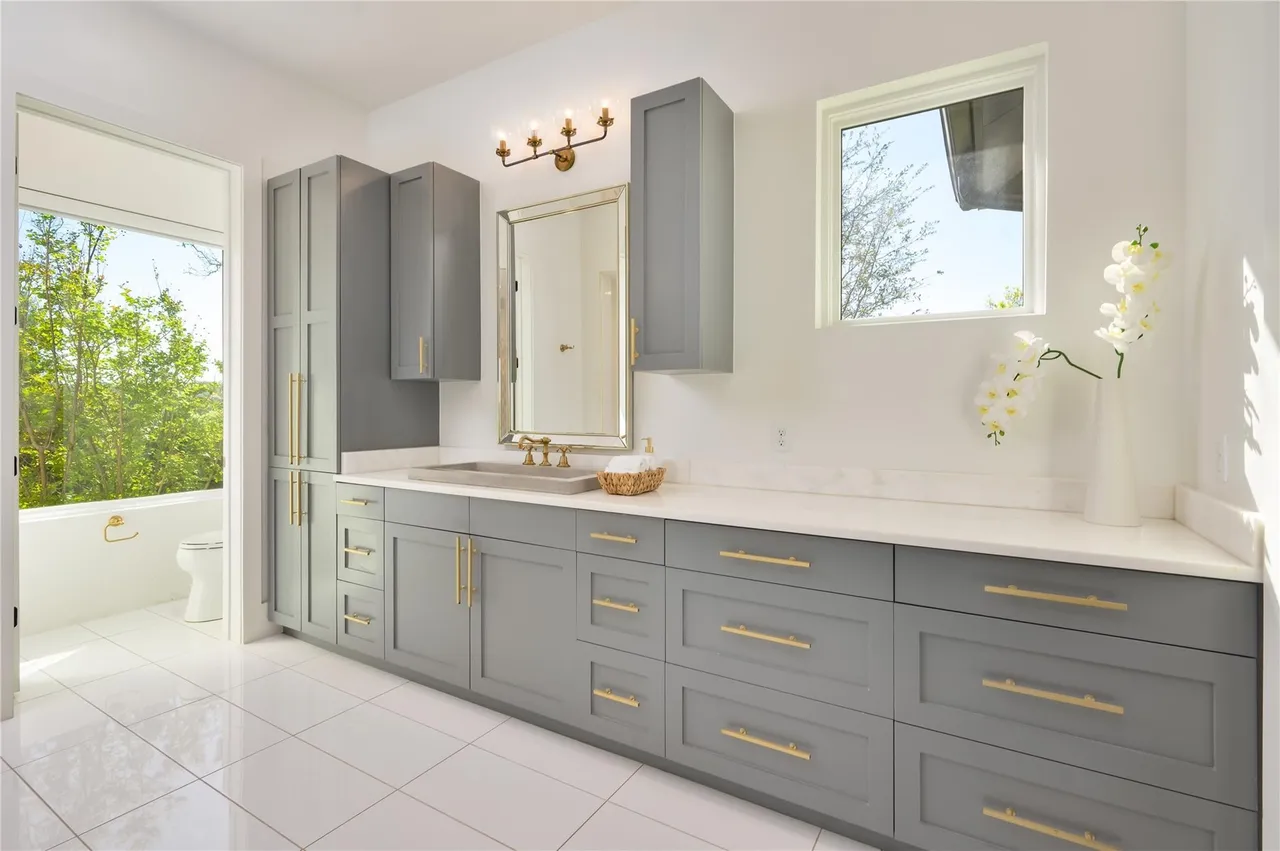
Elegant bathroom vanity with gold fixtures and natural light

Get in Touch

Let's talk
about your home.

We start with a conversation. Tell us about your property, and we'll walk you through how Propertly would work for your specific home and needs. Most consultations take 20 minutes.

Service Area

Austin, Texas & Surrounding Communities

Consultations

By Appointment

Email

hello@propertlyhome.com

Thank you. We'll be in touch within one business day to schedule your consultation.